Reduce water use in Diageo's operations with a 40% improvement in water use efficiency in water stressed areas and 30% improvement across the company.
Other (Sustainable management of water)
To be achieved by:
Replenish more water than Diageo uses for their operations for all their sites in water-stressed areas by 2026.
Other (Sustainable management of water)
To be achieved by:
Invest in 150 projects to improve access to clean water, sanitation, and hygiene (WASH) in communities near Diageo sites and local sourcing areas in all of Diageo's water-stressed markets.
Other (Sustainable management of water)
Start Date:
Engage in collective action in all of their Priority Water Basins to improve water accessibility, availability and quality and contribute to a net positive water impact.
Recycling (also including specific waste streams)
To be achieved by:
Achieve zero waste in Diageo's direct operations and zero waste to landfill in Diageo's supply chain.
Recycled materials as part of raw materials demand (recycled content)
To be achieved by:
Ensure 100% of Diageo's packaging is widely recyclable (or reusable/compostable).
Recycled materials as part of raw materials demand (recycled content)
To be achieved by:
Continue to reduce packaging and increase recycled content in Diageo's packaging (delivering a 10% reduction in packaging weight + increasing the % recycled content of the packaging to 60%).
Recycled materials as part of raw materials demand (recycled content)
To be achieved by:
Ensure 100% of Diageo's plastics are designed to be widely recyclable (or reusable/compostable) by 2025 and achieve 40% recycled content in Diageo's plastic bottles by 2025, and 100% by 2030.
Other (Sustainable agriculture management)
To be achieved by:
Provide all of Diageo's local sourcing communities with agricultural skills and resources, building economic and environmental resilience (supporting 150,000 smallholder farmers).
Other (Sustainable agriculture management)
To be achieved by:
Develop regenerative agriculture pilot programmes in 5 key sourcing landscapes.
Other (Accelerate to a low carbon world)
To be achieved by:
Become Net Zero carbon in Diageo's direct operations.
Other (Accelerate to a low carbon world)
To be achieved by:
Reduce Diageo's value chain carbon emissions by 50%.
Other (Accelerate to a low carbon world)
To be achieved by:
Use 100% renewable electricity across all of Diageo's direct operations.
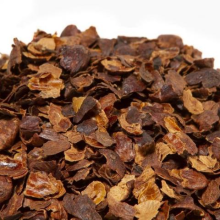
The Italian company CIA has found that the most appropriate way to reuse coffee husks is as a fertiliser and soil conditioner by composting them in organic farms.
Greenful products are the first ones in the market that utilise textile, plastic and rubber waste from the construction industry on a large scale. The panels are made of shredded textile waste that has been pressed and bonded together using a proprietary manufacturing process and are designed to replace various types of wood-based construction panels.
The EU's Bioregio project covered a range of initiatives, all of which are described in its website: from a waste management system in Jelšovce Distillery in Slovakia to biogas units for household applications in Romania and a Spanish project combining the fight against food waste and social inequality.
The Waste Transformers transforms organic (food) waste in an anaerobic digester called a Waste Transformer housed in 20-foot shipping containers into clean energy, water and high-grade fertiliser whilst also upcycling the waste into new raw materials for paper, textiles or soaps. They do this all on-site where the waste is produced. No transport, no CO2.
Ligeti Bolt is a packaging-free grocery shopin Budapest. The shop does not sell any products in plastic wrapping or packaging and so customers buy exactly the amount they need.
Charity shops are the most basic form of circular economy-driven supply chains:people donate unwanted items rather than throwing them away so that they can be put to use by someone else. La Poubelle is a variation on the theme of charity shops: it's a goods bank tailored specifically to the needs of people facing hard times.