The European Bureau for Conservation and Development (EBCD) is an NGO founded in 1989 and based in Brussels. EBCD supports science-based solutions, full stakeholder participation, due consideration for the socio-economic aspects and respect for cultural diversity, while specialising in maritime affairs, fisheries, aquaculture and oceans governance. EBCD promotes the conservation and sustainable use of natural resources, both in Europe and worldwide. It provides the secretariats of the MEP Group on Climate Change, Biodiversity and Sustainable Development, the IUCN Fisheries Expert Group and the Market Advisory Council of the Common Fisheries Policy. EBCD has been an active member of the International Union for Conservation of Nature (IUCN) since it was established, falling under the international environmental NGO category.
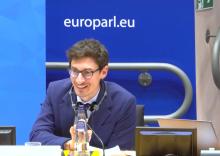
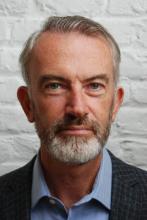
Ilias joined EBCD in March 2018, and currently manages the MEP Group on Climate Change, Biodiversity and Sustainable Development, while also serving as Deputy Director at EBCD. Prior to that, he worked in EU Affairs and Communication for a pharmaceutical association in Brussels and as a Communications Executive in Greece. Well-experienced in developing and executing strategic advocacy & outreach, Ilias also holds an MSc in Crisis and Security Management from Leiden University in the Netherlands, and a BA in International & EU Affairs from University of Macedonia, Greece.
Throughout the years, he has received The Good Lobby 3rd place Award as ‘Political Representative of the Year’ (2019), CV Magazine ‘Best Environmental NGO in Belgium’ Award (2019), The Webby Awards ‘People’s Voice Award for Green Website’ (2017), and the International Public Relations Association Golden World Award for ‘Crisis Management’ (2016).