Threads of Change is a new platform created by Humana People to People that highlights the transformative role of the second-hand clothing (SHC) industry in fostering sustainability, economic growth and social equity.
This initiative calls for supporting policies with a holistic perspective for a sector that is key to reducing environmental impact, creates green jobs along the global value chain, and contributes greatly to the EU’s GDP while minimising the use of scarce resources.
The platform's main aim is to spotlight the SHC industry's critical role in shaping a more sustainable textile sector. Help us build a case for an even more efficient and ambitious textile value chain by sharing your best practices or your views on the topic!
SustainableSolutionsMatch is the first cross-sectoral virtual event empowering European businesses on their path to a sustainable and circular economy. It brings solution seekers and providers together to tackle real challenges and find practical answers.
Whether you're looking for innovative ideas or reliable partners, this event brings solution seekers and providers together to tackle real challenges and find practical answers.
Each year, the European Tyre Recycling Association holds a conference on tyre recycling; this year's conference will focus on 30 Years of Tyre Recycling: Innovations to build the Future. It will look back over the last three decades, considering the materials used and developments in this industry.
The European Sustainable Phosphorus Platform (ESPP) is an international platform bringing together industry, science, regulators and stakeholders with a view to facilitating sustainable phosphorus management, including reuse and recycling. It will be holding a two-day workshopto discuss the EU Circular Economy Act and the CAP and develop proposals by way of input for the European Commission.
The first day will focus on proposals for nutrients in the EU Circular Economy Act and the second day on nutrient stewardship for the EU Common Agricultural Policy.
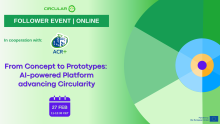
CircularPSP (Public Service Platforms for Circular, Innovative and Resilient Municipalities through pre-commercial procurement) is organising a Follower event in cooperation with ACR+.
ACR+ will present their work on aiding cities to go circular and CircularPSP will present the state of play, including an update from the three suppliers selected for Phase II.
The InvestCEC project is pioneering a replicable model driving the implementation of circular economy projects across European cities and regions.
Entrepreneurs and SMEs from across Europe are now invited to submit proposals for business cases that promote circular economy solutions, either in the city of Klagenfurt or in other European cities.
The FOREST project (Advanced lightweight materials FOr eneRgy Efficient StrucTures) aims to provide new and innovative green composites for sustainable and safe transport applications.
They are setting up an Advisory Policy Framework Working Group and looking for experts. Interested?
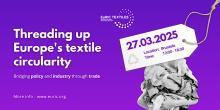
EuRIC Textiles is organising an event presenting the EuRIC Textiles Manifesto and featuring a keynote speech on how the EU textile industry can stay competitive in the circular economy. There will be discussions on advancing textile circularity in Europe, bridging the gap between policy making and business realities, and facilitating the trade of second-hand clothing.
The ECESP Coordination Group congratulates the new College of Commissioners on their appointments and looks forward to working with them to advance the EU's circular economy agenda.
Check out the overview of what the ECESP does and how the Coordination Group contributes to that role.
The European Commission's Joint Research Centre has published a study on new product priorities in connection with the Ecodesign for Sustainable Products Regulation. The ESPR entered into force this year and aims to make sustainable products the norm.
The study looked at a number of product groups and horizontal requirements to see if they were suitable for action under the ESPR. The criteria used were environmental impacts and improvement potential, market relevance, policy coverage in the EU, cost reflections, and contribution towards EU Open Strategic Autonomy.
It identified 11 final products, seven intermediate products and three horizontal requirements (durability, recyclability, recycled content) as potential priorities for the next steps in preparing the first ESPR Working Plan.