The European NONTOX project aimed to eliminate hazardous and unpleasant substances from plastic waste and thus convert non-recyclable plastics and recycling waste into new resources.
Aimplas coordinated the European Life Ecomethylal Project, which has ended with the construction of a plant capable of extracting up to half a kilo of methylal from each kilo of non-recyclable waste.
Leadax uses high-tech material and production knowledge to develop and manufacture 100% circular materials out of discarded PVB for waterproofing buildings.
Schijvens has been producing corporate uniforms for more than 150 years now. In 2017, they began collecting customers' old clothing, shredding it and mixing the textile fibres with shredded PET-polyester ones from sportswear, fishing nets and bottles. This led to 100% recycled yarn, which is used to make new fabrics and ultimately new uniforms.
Groningen Seaports is the economic operator, developer and port authority for the port of Delfzijl, Eemshaven and adjoining industrial sites. Groningen Seaports is at the forefront of the circular economy and recently opened Circulands, a circular-oriented industrial park.
As an impact leader and frontrunner promoting resource circularity, TOMRA has extensively explored, analysed and collaborated with value chain partners to address the ever-increasing global problem of waste. This white paper presents the challenges, projections and opportunities involved in managing post-consumer waste in developed and developing countries. It describes how society can speed up the transition to a circular economy by collecting and recycling waste, especially plastic packaging and other carbon-intensive materials.
The white paper can be downloaded from TOMRA's website, but this requires registering in a third party's data base and submitting your email address.
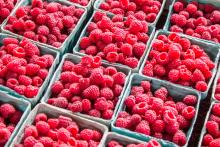
Interseroh provides recycling solutions for plastic packaging. For instance, it has developed a pooling system of reusable plastic boxes for fruit and vegetables sold at Aldi Süd, a German supermarket network.
EntoGreen aims to develop sustainable feed and organic fertilisers by using bio-based technologies to recycle nutrients from agricultural and food waste and reintroducing them into the food chain, thus closing the nutrient cycle.
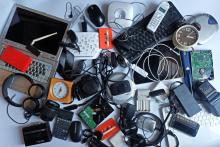
The E-waste Race is an educational competition between ten primary schools to collect old electronic devices. Project participants are given an introductory lecture about recycling and the valuable materials contained in electronic devices. They then start collecting e-waste and the school which collects the most wins an educational - and fun! - school trip.