The MixMatters project aims to optimise the value derived from mixed biological waste. It will introduce a groundbreaking, integrated and adaptable solution for efficiently harnessing the potential of mixed bio-waste.
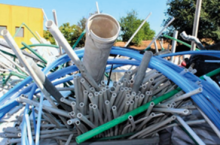
The "Waste REcycling Project" (WREP) is a pilot scheme developed by PVC Forum Italia, the national association of producers, converters and recyclers of PVC (polyvinyl chloride), in collaboration with VinylPlus, the European PVC value chain association.
It aims to make the collection, sorting and recycling of PVC waste from demolition/renovation, bulky waste and waste management centres more efficient, using a consolidated and accredited traceability methodology.
Skanska is a leading construction and development company that has made sustainability a crucial part of its operations. With the assistance of Cyrkl, it has taken on the challenge of deconstructing the Merkuria building, revolutionising the industry, saving materials and helping charities in the process.
Hutoepito has been awarded a HUF 197.85 million non-refundable grant by the Hungarian Ministry of Finance to fund research, development and innovation activities under the Upcycling of closed-cell rigid polyurethane foams project.
The widespread use of polyurethane foams in various industrial technologies produces high volumes of rigid PU foam waste. Proper handling of this is essential for environmental, social and economic reasons.
The goal is to produce upcycled polyurethane foam products.
The researchers first identified the upcycling opportunities of closed-cell polyurethane foam materials and purchased the necessary machinery. Later, they started production of upcycled polyurethane foam blocks and sheets, and now they are developing prototypes.
On 20 September, the Fraunhofer EU Office in Brussels will be holding a workshop to discuss its Roadmap for the Future Development of the Circular Bioeconomy. The workshop will explore the scientific and technological potential and challenges of the bioeconomy, how the bioeconomy can meet ecological and socioeconomic needs, and the policy framework needed to achieve this.
Participants will seek to identify solutions for the four application areas of bioeconomy: nutrition, biomass material utilisation, CO2 value creation and the socio-economic aspects of the bioeconomy.
The European Recycling Conference 2023 will take place on 28 September in Brussels.
This year, EURIC is teaming up with DENUO, the Belgian waste management and recycling federation, to shine a spotlight on car recycling. Why? The automotive industry is going through a major revolution. By 2035 - practically tomorrow in terms of industrial value chains - combustion engine vehicles will be phased out and replaced by electric vehicles (EVs). This transition will have a significant impact on all the players involved, considering that the industry provides 12.6 million direct and indirect jobs in the EU. Recycling is no exception.
CircEUlar is a four-year European Research and Innovation Action that will develop new modelling approaches for analysing circularity from a systems perspective.
The Circular Republic Festival will take place from 15 to 18 November 2023. Join top circular economy visionaries for innovation, networking and inspiration. Showcase initiatives, meet relevant players and be inspired by good practices. Experience keynote speeches, panel discussions, workshops and online collaboration. We want to accelerate the circular economy together!
In view of the ongoing regulatory developments in the field of the Packaging and Packaging Waste Regulation, this in-person event on 4 July will discuss the potential of using chemical recycling technologies as part of an ecosystem of solutions for increasing circularity of plastics.