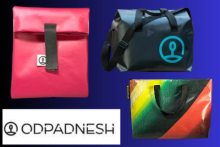
This Slovakian social enterprise collects old advertising banners and turns them into useful items - and they teach vulnerable people the skills needed to do so!
This Belgian company operates a product-as-a-service business which facilitates the renting of an item which people may own but are unlikely to be using for many days each year.
It enables owners to earn income from an underused asset and travellers to gain an alternative to buying equipment for occasional use. It also proves that the product-as-a-service model can be applied to a wide range of items.
The German platform Transpareo provides DPPs which store ten years' worth of versions. Each DPP also has four access levels, from public to authorities only, meaning that confidential data is kept safe.
Lifetwin is a software-as-a-service platform which helps businesses meet DPP requirements. Its DPPs also enable after-sales service, as consumers can access digital warranties, submit maintenance and repair requests, order original spare parts, or review user manuals.
Hotels do tend to get through textiles – sheets and towels wear out when subjected to heavy use.
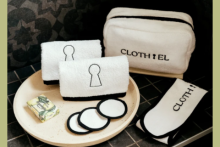
CLOTH’EL collects textiles which no longer meet requirements and turns them into items which can be used by the initial owner to further their brand, or by other organisations or people which have a need for them.
Loopami is a Milan-based platform which creates local communities of people interested in sharing and reusing items. It's still in the testing phase, but the initiative reduces consumption and waste while also forging closer ties between neighbours.
Digital Product Passports are intended to provide the information needed to repair a product, reuse its components and enable efficient disposal at end of life.
However, a DPP only does circular work if the person holding the product can read it. WIARA makes multilingual publication the default rather than a paid extra.
DPP Envoy is a B2B software platform that helps manufacturers and importers build EU-compliant Digital Product Passports for batteries, textiles and construction products.
Their website also includes a wide range of practical guides which will be very useful for SMEs familiarising themselves with this area.
AKT-Origins is a Rotterdam-based company developing a Digital Product Passport platform.
ORIGINS is geared to the needs of SMEs and enables companies to provide the information required on what the product is made of, where it came from, how to keep it in use, and what should happen to it at end of life without publishing sensitive information.
RetuRO was set up in November 2023 to administer the national Deposit Return System.
Customers pay a small deposit when they buy a soft or alcoholic drink included in the scheme, which they get back when they drop the packaging off at a reverse vending machine or the counter.