Sensoneo provides smart waste management solutions that support the digital transformation of waste management to achieve efficiency, transparency, and sustainability.
The company is specialised in digitisation and streamlining of waste collection.
Reliance on electronics comes with steep environmental costs, from mining minerals to disposal of end-of-life devices. As the use of electronic products has grown, their average lifespan becomes shorter. This in turn results in an increased volume of discarded and obsolete electronic devices.
Gruppo FOS in Caserta (Italy) provides a T&G (technology and groupware) Repair Centre and Swap & Repair services for electronic devices.
With 14 automotive brands around the globe, Stellantis is a major industry player. In March 2022, it presented its Dare Forward 2030 strategic plan, aiming to achieve carbon net zero by 2038 while reducing its consumption of natural resources. The plan is steered by the Circular Economy Business Unit and is based on remanufacture, repair, reuse and recycle.
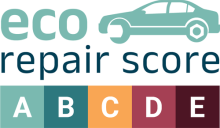
Eco Repair Score NV and VITO have developed the Eco Repair Score® to assess the environmental impact of a specific car repair job. It does this using a single score, with categories from A to E and associated colour coding.
CuCilento (which can be understand to mean both "Sew slowly" and "Sew in Cilento", a region in Campania) is an innovative business project designed by Sarah Khoudja as part of the EU's 'Empowering Women in Agrifood' programme led by the Future Food Institute. It is an upcycling workshop which processes agricultural by-products and other materials (boat sails, factory scraps, etc.) classified as waste and turns them into net or fabric bags that can be used for food packaging or shopping.
Gravity Wave is a social start-up based in Spain. It focuses on working with small-scale fishermen to collect as much as possible of the plastic waste fouling the Mediterranean, from water bottles to a whole load of discarded fishing nets.
Skanska is a leading construction and development company that has made sustainability a crucial part of its operations. With the assistance of Cyrkl, it has taken on the challenge of deconstructing the Merkuria building, revolutionising the industry, saving materials and helping charities in the process.
ED is a digital label providing information about the product's packaging: its components, the materials it's made of, and how to dispose of them properly.
All you need to do is scan the QR code on the packaging to get real-time, geolocated and accurate information on how to dispose of it.
The Swedish company Re:Lab AB has developed a chemical circular economy solution to convert plastic items used in research laboratories into a syngas comprised of carbon monoxide and hydrogen. These two components are in high demand for the production of chemicals and plastics.
150 livestock family farms have joined a bio-economy plant project in Alcarràs, Catalonia, a region with many livestock farms and fruit plantations. The project aims to manage manure in a more sustainable and circular way.