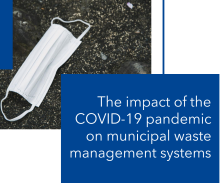
ACR+ has run a survey targeting municipal and local authorities (and their waste operators) to understand and assess the impact of the COVID-19 on their waste systems, in particular regarding the services provided, the quantities collected, the health and safety measures, as well as the finances and communication to users.
The report presents the main information and trends coming out of this survey. It also provides an overview of the measures taken by local authorities to tackle the first wave of the COVID-19 pandemic and the lockdown measures.
Local data were collected to analyse the impact of municipal waste generation and sorting performances. Several illustrations of good practices addressing key challenges are also highlighted.
In Denmark, the interior design company Mater has developed chairs made out of brewery waste. The production method uses plastic waste and the grain left over from beer production at the Danish brewery Carlsberg.
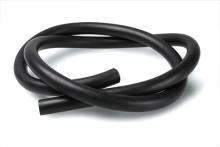
Cikautxo worked with the TAPA (ThermoplAstic fluid handling Pipes for cooling circuits in Automotive sector) project, funded by EIT RawMaterials, to develop new materials for pipes and hoses. They substituted natural rubber with a 100% recyclable thermoplastic material (thermoplastic elastomeric, TPE), using energy-efficient extrusion technology.
The partnership between Herning and DFD has led to a new circular business model for the work clothing used by the municipality’s technical operations department.
ROSi has developed innovative processes producing high quality recycled materials including silicon and other metals from PV industry production and product waste. The materials are returned to industrial value chains, leading to a circular raw material lifecycle.