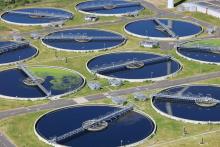
Remondis Acqua Group is a company specialising in systems for the production of high-quality water. They have developed new methods to protect raw materials and treat wastewater, with a new model of municipal sewerage treatment plant.
In 2015, the European Commission adopted the Circular Economy Action Plan to help stimulate the transition towards circular economy. The growing number of plastic products and packaging marketed as ‘biodegradable’ or ‘(home) compostable’ raises the question of the extent to which biodegradability and compostability of plastic is beneficial in the context of the transition towards a circular economy.
The study assesses this question, identifying conditions in which (home) compostability of products could be of added value, compared to reuse and other forms of recovery. The results indicate weak evidence in favour of beneficial agronomics associated with compostable plastic material. Choices of materials for products and packaging should prioritise recyclability over compostability.
L&T organises the collection of waste oils, oil-contaminated water and a range of emulsions from industry. The collected materials are analysed and processed at L&T’s recycling plant.
The Royal Swedish Academy of Engineering Sciences (IVA) has issued a report on how to make the textile sector more sustainable. It provides proposals for a more resource-efficient and smart textile sector, covering topics such as challenges and definitions of solutions towards a smarter sector. It suggests, for instance, to introduce tax relief programmes and industrial parks for resource-efficient textile production.
This report is one of several sector reports from IVA project Resource Effectiveness and Circular Economy (ReCE). The purpose is to make Sweden more competitive in a future with finite resources in line with the UN’s Sustainable Development Goals.
The project has established platforms for dialogue between actors in the public and private sectors.
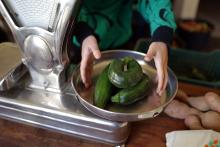
The cooperative Fruta Feia (“ugly fruit”, in Portuguese) has been preventing the waste of so-called “ugly” fruit in Portugal, that are not usually sold in markets.
Better World Fashion produces new quality products from waste materials. Their primary material, leather, is from discarded post-consumer products collected by NGOs.
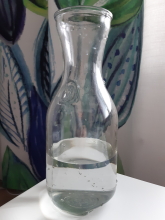
Mutualia, a social services and medical care provider in the Basque Country, Spain, has installed water fountains connected to the public water network to use tap water instead of buying bottled water.
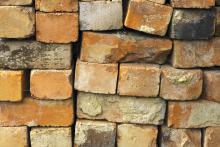
In 2018, Hjørring Municipality decided to embark on a pilot project to increase the recovery and recycling of bricks when procuring demolition services for two buildings at the end of their functional life. Once cleared, the sites were destinated to be a part of a new climate adaptation project including a new rainwater collection basin and a recreational area.