TOMRA is the world leader in reverse vending solutions. It provides an automated method for collecting, sorting and handling used beverage containers for recycling or reuse. TOMRA has approximately 105 000 reverse vending machines in more than 100 countries.
The EduZWaCE platform is one of the intellectual outputs of the Education for Zero Waste and Circular Economy project, funded by the Greek National Agency under Erasmus+.
The platform is a virtual learning and collaboration environment for all interested stakeholders, using an interactive and collaborative online structure:
Knowledge Hub: interactive resource centre gathering useful information for Vocational Education and Training teachers and professionals
LIPOR, the Intermunicipal Waste Management Service of Greater Porto, specialises in the treatment and recovery of municipal waste. Their digital platform, the Waste management Datacenter, optimises the monitoring waste flows and the recovery of materials, which contributes to the reduction of biodegradable urban waste landfill disposal and the preparation of materials for reuse and recycling.
The project reCIRCULARte started in 2017: three unemployed people decided to reuse, recover and restore second-hand material or objects, giving them new life.
Jerónimo Martins, a food retailer operating in Colombia, Portugal and Poland, has implemented various measures to reduce the amount of food wasted in its operations and value chains, and promotes recycled and recyclable packaging.
The ECO.NOMIA portal was set up in 2016 as the Portuguese Circular Economy Information Portal. It was one of the components of the 2017 Portuguese Action Plan for Circular Economy, playing the role of a knowledge-sharing space.
It is a one-stop-shop for all things circular, in Portuguese, and intended for individuals, companies and investors. Not only does it explain the principles, advantages and opportunities of the circular economy, it also provides examples and information on financing, learning opportunities and national and international events.
LIPOR's Environmental Education and Intervention Program aims to create an educational offer that encourages citizens to implement good environmental practices.
Food waste reduction
Start Date:
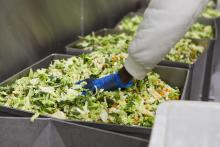
LIPOR’s annual prevention programme includes several projects and initiatives implemented across all eight municipalities aiming to prevent and reduce food waste.
Recycling (also including specific waste streams)
Start Date:
The Strategic Plan for Urban Waste 2020 (PERSU 2020) is the reference instrument of the urban waste policy in Portugal.
LIPOR has defined a target of 50 kg per inhabitant a year in 2020 for selective
Green public procurements
Start Date:
One public tender for catering services with fully sustainable and circular criteria.
The Solidarity Computers initiative aims to extend the useful life of IT equipment that no longer meets the requirements for use. This can be reused by employees for their personal use by buying it for a symbolic fee, or donated to NGOs or to other external entities.