Green Serendipity is an international consultancy firm with a focus on renewable plastics for packaging and products. It advises businesses on how to develop circular concepts and strategies for packaging and products.
As an impact leader and frontrunner promoting resource circularity, TOMRA has extensively explored, analysed and collaborated with value chain partners to address the ever-increasing global problem of waste. This white paper presents the challenges, projections and opportunities involved in managing post-consumer waste in developed and developing countries. It describes how society can speed up the transition to a circular economy by collecting and recycling waste, especially plastic packaging and other carbon-intensive materials.
The white paper can be downloaded from TOMRA's website, but this requires registering in a third party's data base and submitting your email address.
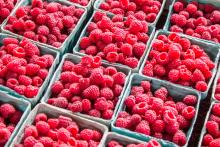
Interseroh provides recycling solutions for plastic packaging. For instance, it has developed a pooling system of reusable plastic boxes for fruit and vegetables sold at Aldi Süd, a German supermarket network.
The cotton gauze grocery bag provides a unique design turning an environmentally-friendly cheesecloth gauze fabric into a sturdy mass produced grocery bag that later can easily be used at home as machine-washable cotton napkins, reusable cleaning cloth and much more.
Grown bio is a biotechnology company that has developed an innovative use for mycelium, the network of mushroom roots. It uses the mycelium as a binding agent for agricultural waste to create fully biodegradable and toxic-free packaging or insulation material.
MIWA designs and produces genuinely circular packaging for the whole supply chain. It supplies brand owners/producers with smart capsules and retailers with smart dispensers using the service as a product model.
ALBA Group is a major company active in recycling, environmental services and the supply of raw materials. It has come up with a method for producing plastic using secondary raw materials.