Splosh sells its range of products – from detergents and fabric softeners to shower gel and hand wash – in bottles that can be refilled from their concentrated refill pouches. Buying refills in these pouches cuts plastic waste by 95%.
Since 2010, Philips has been working on introducing recycled plastics into its product portfolio. The baseplate of Senseo Original coffee makers, the company’s most popular model, has been changed to 95% post-consumer recycled plastic.
Oryzite is a method for incorporating rice husks as a filler in all types of thermoplastics. The company transforms the rice husks into resin, which can then be used to obtain the same volume of injection-moulded plastic using much fewer fossil-fuel-based polymers.
The EPA is seeking proposals from the research community to help identify solutions to climate change and other emerging and complex environmental problems.The funding will be provided under the four EPA Research 2030 interconnected research hubs, including "Facilitating a green and circular economy".
Virtual MeetingPack 2021 is taking place on 27 May from 9:30 a.m. More than 130 packaging industry companies have confirmed their attendance at this event offering a strategic overview of the development of barrier packaging.
The Italian project BIOCOSI (BIOdegradable and COmpostable packaging for sustainable, circular and smart industry) came up with a revolutionary solution to the problem of wastewater in the dairy sector.
New sustainable packaging will extend guacamole’s shelf life by 15% thanks to labels and additives extracted from the avocado itself. The GUACAPACK Project aims to use renewable sources to develop an innovative biodegradable packaging system that includes barrier labels and antioxidant additives from avocado waste.
SEAclic is a project developed by the German company Storopack, which has created a packaging technology suitable for temperature-sensitive food products, such as fish. The bio-based version of the Storopack SEAclic Box is made from a new, compostable plastic.
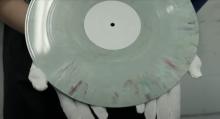
Music business can be circular, too! WMfono makes vinyl records from the waste that remains after cutting other records. Kayax label then packs the discs in recycled paper and employs a protection film made from maize.