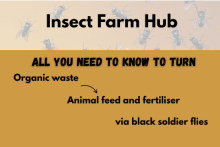
Insect farming is becoming more common, with plenty of people trying their hand at it. Like any other type of farming, however, it takes knowledge – and that is where Insect Farm Hub comes in. It aims to share knowledge about black soldier fly farming.
EKOFOM is INGENITEX's new technology for making bras and bra foam cups more sustainable. Developed as part of a project running until 2026, it produces bra cups using recycled foam of comparable quality and performance to virgin foam products.
The Automotive Circularity Platform (ACP) is a pilot open ecosystem linking collectors of end-of-life automotive materials with users of high-quality secondary materials. It enhances transparency, enables efficient material separation and supports open-market trading.
As a technical enabler for automotive end-of-life recycling, it will support the implementation of the End-of-Life Regulation and drives recycling, regulatory compliance and supply chain resilience.
Stokarti supports the circular economy by helping businesses sell surplus assets instead of discarding them.
Their digital B2B platform connects companies from different industries and countries, making it easier to exchange technical materials and reduce waste. By finding new buyers for parts lying on the shelves, Stokarti helps extend the life of valuable assets.
CircuLaw is an open-source knowledge platform that helps policymakers, project leaders and purchasers effectively utilise existing laws and regulations to accelerate the transition to a circular economy.
Recycling Albania was set up in 2022, based on the zero waste hierarchy. It aims to transform Albania’s waste sector into a model for sustainable resource management and lead the way in circular economy solutions in the Western Balkans.
It's setting up a Circular Economy Park, with a Multifunctional Education Centre, Recycling Yard and Second-Hand Store. The environmental, economic and social dimensions of the circular economy are covered!
Re:inventex is carrying out a project for the recycling of post-industrial and pre-consumer textile waste. It is essentially the first pilot project in Ukraine to create a modern infrastructure for the collection, sorting and recycling of textile waste.
Maiano Re-Lab comes up with sustainable industrial applications for textile scraps from mass-produced consumer goods. This initiative establishes synergies between industrial sectors, minimising waste and promoting sustainability within the industry.
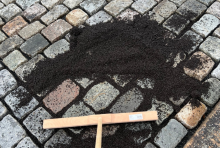
GIND is an innovative company dedicated to developing sustainable and long-lasting solutions for road surfaces and outdoor spaces. Its BIO DILE™ joint filler replaces traditional, resource-intensive and short-lived materials with more environmentally-friendly alternatives made from recycled, sun-dried stone aggregates and bio-based binders derived from cashew nut shells and natural asphalt. At the end of the filler's lifecycle, it can be fully recycled.
Hailia’s patent-pending technology is transforming the seafood industry by upcycling fish sidestreams into high-quality, versatile food products. This technology can produce items with over 90% fish sidestream content - while being very tasty and suitable for a wide range of dishes.