Getliņi EKO manages the largest solid municipal waste landfill in the Baltic states.
The modern waste management centre processes household, biological, production and construction waste from the Central Latvia waste management region. The company produces electricity and heat from the gases produced by both biodegradable and non-biodegradable waste.
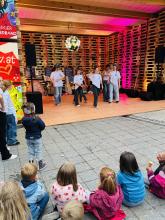
Vorarlberg's annual Environmental Festival is designed to produce as little waste as possible, to promote reuse and generally to familiarise people with the concepts of the circular economy without preaching about it.
People come for the festival experience but leave having learned why it's a good thing to donate what you don't need and not to produce extravagant amounts of waste!
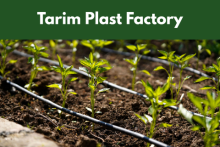
Tarım Plast Factory (Drip Irrigation Pipe Production Facility) is a circular economy and sustainable agriculture initiative implemented by Bursa Metropolitan Municipality and Tarım Peyzaj Inc.
It was developed to address water scarcity, inefficient irrigation practices and agricultural plastic waste problems in Bursa, Türkiye.
PRIMED is a European project that aims to redesign the primary sector to maximise bioeconomy development through the creation, validation and scaling of circular and regenerative bio-based value chains.
It has already mapped the main biomass feedstocks and conversion technologies across its five labs and the bio-based value chains developed there.
Berlin's Zero Waste Agency aims to make Berlin a zero-waste capital. As well as providing useful information via its website, it organises Zero Waste Action Weeks each year and brings together stakeholders in working groups and general meetings.
Waste To Resources Latvia - boosting regional sustainability and circularity is a Lifeproject which provides a framework for coordinating, testing and scaling up circular economy solutions at national level, involving multiple partners and thematic implementation areas.
So far, it has launched national digital platforms for reuse and industrial symbiosis, improved data availability and decision-support tools for the waste management sector, and enhanced quality assurance of secondary materials through an accredited polymer testing laboratory.
This collection of businesses in the Region of Murcia which are delivering on circular economy principles is an interactive tool. It is intended to be a source of inspiration and information: users can search for businesses active in specific sectors or focusing on specific circular economy principles.
Circular.ie is a digital platform and resource hub which is designed to make the circular economy easy to understand and act on. It provides information, advice and training intended to make circularity simple for everyone.
Nordic Sustainable Construction is a programme set up under the Nordic Council of Ministers. It aims to create a green transition with green growth in the Nordic societies by working toward carbon neutrality and a sustainable, circular and bio-based economy based on knowledge, innovation, mobility and digital integration.
In May 2025, it began three new work packages to create best practice guidelines for the industry and map industry structures and practices to find improved solutions.
The Circular Economy in the Healthcare Sector project led by Club EMAS in Catalonia aims to identify the main challenges and opportunities of the circular economy in this sector and to shed light on how to overcome the barriers to making the sector more circular.