Regenerating nature requires an economic transformation. To halt and reverse biodiversity loss, we need to fundamentally transform the way we produce, use, and consume our products and food. Conservation and restoration efforts alone – crucial though they are – will not be enough. The circular economy offers a framework for such a transformation. Applied together, its three principles are able to help tackle the root causes of biodiversity loss and enable the regeneration of nature. These biodiversity benefits can be demonstrated across different industry sectors, as shown in this new study by Ellen MacArthur Foundation. This paper also highlights the key steps businesses and policymakers can take to scale the circular economy potential and help shape a nature-positive future.
Society 2030: Spirit of Progress is Diageo's 10-year action plan to help create a more inclusive and sustainable world. This global leader in beverage alcohol has set itself 25 goals aligned to the UN's SDGs.
The Federal Council for Sustainable Development Belgium has issued a formal response to the Federal Belgian Action Plan on the Circular Economy (in French). The council addressed issues regarding the substance and procedure of the action plan.
Procedural issues include the vagueness of the plan's exact intentions and deadlines as well as the lack of a better governance mechanism. Substantive issues include:
more focus needed on the social challenges associated with the introduction of a circular economy
more focus on the impact on the climate of increasing digitalisation
recycling of critical metals, and
importance of removing all known barriers (regulatory, fiscal, financial, etc.) to the circular transition.
The brochure Circular Cities shares knowledge and experience of circular solutions from the Netherlands to inform and inspire people and to stimulate international cooperation.
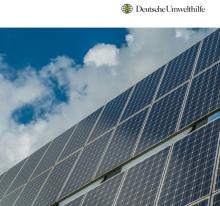
Every year, huge numbers of photovoltaic (PV) modules are being installed. This solar energy expansion greatly furthers the ecological transformation of the energy system. But to solve the climate crisis every aspect has to be taken into consideration. This is why this white paper wants to shine light on challenges currently occuring or to be expected in connection with used photovoltaic modules and their disposal in Germany.
To better implement the goals of a circular economy, this paper will retrace the steps in the lifecycle of a photovoltaic module and analyse problems and possible solutions along these stages. After a brief description of the occuring challenges, opportunities and solutions deemed to be effective and sensible in these matters are presented.
Renewable energy technologies, such as wind turbines, solar photovoltaic panels and batteries, are essential for Europe’s transition to climate neutrality. Deployment, maintenance and replacement of this infrastructure requires significant resources, including many substances included in the EU list of critical raw materials.
Waste arising from end-of-life clean energy infrastructure is projected to grow up to 30-fold over the next 10 years, presenting significant opportunities to reduce consumption of scarce raw materials by recycling metals and other valuable resources back into production systems.
Circular economy approaches such as repair and upgrading of equipment and recycling of end-of-life infrastructure can underpin the sustainability credentials of EU renewable energy.