I:CO is an international circular solutions provider for the collection, certified sorting, reuse and recycling of clothing and shoes. They aim to support innovative new recycling technologies which help close the loop of production cycles.
SOUJI is a liquid based on minerals and vegetables that, when mixed in the correct proportions with used cooking oil, and after shaking the mixture for 1 minute, becomes a cleaning agent/detergent which is 96% less polluting than a common detergent.
ResQ Club is a Finnish company and mobile application, which also covers parts of Sweden, Poland and Germany. Its goal is to combat food waste by connecting sustainable restaurants, cafés and food shops with consumers who appreciate affordable quality food.
The “Millor que nou” (Better than new) campaign is an initiative from the Barcelona Metropolitan Area (AMB) that started in 2009. It provides people with free support services and access to repair shops, so that they can learn how to repair appliances and objects.
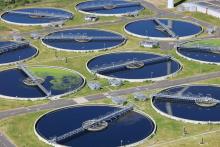
Remondis Acqua Group is a company specialising in systems for the production of high-quality water. They have developed new methods to protect raw materials and treat wastewater, with a new model of municipal sewerage treatment plant.
In 2015, the European Commission adopted the Circular Economy Action Plan to help stimulate the transition towards circular economy. The growing number of plastic products and packaging marketed as ‘biodegradable’ or ‘(home) compostable’ raises the question of the extent to which biodegradability and compostability of plastic is beneficial in the context of the transition towards a circular economy.
The study assesses this question, identifying conditions in which (home) compostability of products could be of added value, compared to reuse and other forms of recovery. The results indicate weak evidence in favour of beneficial agronomics associated with compostable plastic material. Choices of materials for products and packaging should prioritise recyclability over compostability.
Mercado Organizado de Resíduos is a Portuguese online platform that can be used to trade different types of waste for recovery (with the exception of waste classified as hazardous by the general waste management scheme).
MOR provides the space for waste of all categories to be traded, whether for recovery or for disposal under the country's general waste management scheme. This includes transactions and exchange of by-products and recycled materials.
The Agência Portuguesa do Ambiente (Portuguese Environment Agency) has licensed MOR Online as the first integrated management platform in the waste market.
L&T organises the collection of waste oils, oil-contaminated water and a range of emulsions from industry. The collected materials are analysed and processed at L&T’s recycling plant.
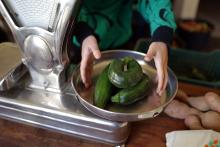
The cooperative Fruta Feia (“ugly fruit”, in Portuguese) has been preventing the waste of so-called “ugly” fruit in Portugal, that are not usually sold in markets.