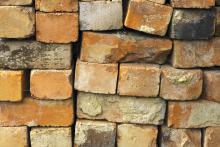
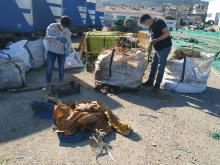
In 2018, Hjørring Municipality decided to embark on a pilot project to increase the recovery and recycling of bricks when procuring demolition services for two buildings at the end of their functional life. Once cleared, the sites were destinated to be a part of a new climate adaptation project including a new rainwater collection basin and a recreational area.
Enhanced Landfill Mining (ELFM) of historic (and future) landfills is a key part of the solution for closing material loops. It addresses major societal challenges by recovering materials, energy and land. Machiels' ‘Closing the Circle’ project will be the first to put ELFM into practice.
The Woody Group, a company which manufactures pyjamas, wants to use raw materials more efficiently and responsibly in the future. It also wants to take more responsibility for its products once they are put on the market.
The RepescaPlas closed its third year with the collection of 4.2 tonnes of marine litter and excellent results in terms of recovery of this litter through chemical recycling. The project has now entered its fourth phase, in which it is expected to strengthen the industrial-scale management and treatment of marine litter.
Sitra works with partners from different sectors to research, trial and implement bold new ideas that shape the future. It aims to make Finland a pioneer in sustainable well-being.
It is a future-oriented fund which creates preconditions for reform, spurring everyone towards making a change and providing opportunities for co-operation.
Sitra’s work focuses on supporting a fair transition to a circular economy and investigating how business can be based on sharing instead of ownership. Sitra is also working to advance circular trade policies, to increase the understanding of environmental effects of digitisation and to explore the potential of the circular economy to safeguard biodiversity.
In a call for projects the PREVENT Waste Alliance was searching for innovative and sustainable solutions contributing to a circular economy in low- and middle-income countries. The eight selected pilot projects will now be implemented in 15 countries worldwide.
The European Green Deal provides the impetus to find more resilient, fair and sustainable economic systems. To deliver this ambition and recover from the economic impact of COVID-19, a systemic approach is needed.
The System Change Compass re-examines the driving forces of our socio-economic system, addressing the issues of resource consumption and environmental pressures.
The report presents future-fit policy directions and economic ecosystems (among them, nature-based, circular materials), and shows how these can better serve our societal needs and work within planetary boundaries. It also highlights 50+ champion orientations outlining a next-generation industrial landscape, with investable opportunities for jobs and a more sustainable future via COVID-19 recovery funds.
Convert works to support UN Sustainable Development Goal 12: ensuring sustainable consumption and production patterns. It explores how natural sustainable resources can be used to make new products and seeks to reduce the amount of waste on earth through recycling and upcycling. Every fibre matters when waste fibres are used as non-woven material.