RECICLOS provides incentives for recycling cans and plastic beverage bottles. When people recycle using the app, they receive points that can be used to try to win prizes or given to local projects.
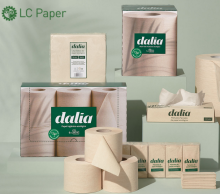
The project of LC Paper consists in the migration of all the plastic packaging of paper products (toilet paper, hand towels...) to cardboard packaging and folding.
Agroamb Prodalt SL is a rural SME working in the primary sector. It provides agricultural services for farmers and organic fertilisers from biodegradable waste generated in the primary and agri-food sectors. Its process sanitises biodegradable waste and animal by-products with lime and produces organic fertilisers (turning these waste materials into resources).
EntoGreen aims to develop sustainable feed and organic fertilisers by using bio-based technologies to recycle nutrients from agricultural and food waste and reintroducing them into the food chain, thus closing the nutrient cycle.
Based in Barcelona, Rezero is a non-profit organisation that, in collaboration with social and economic actors in Spain, aims to push the model of production and consumption towards zero waste.
Rezero looks for new solutions to extend the life of products and materials by facilitating reuse and eliminate the generation of household waste.
It has a section for information, analysis and debate, where initiatives aiming to achieve a zero-waste society are tested. There is also a section on zero-waste projects. Rezero offers advice and support to companies aiming to reduce their footprint.
The Italian company Menichetti produces organic glues and adhesives intended for sustainable packaging. The raw material is obtained from leather and tanning industry by-products.