TEXroad is a foundation set up to collect and manage data on textiles as efficiently and effectively as possible. The purpose of this collection is to promote and enable circularity in the textiles industry.
They have set up programmes on Paving the way to 2025 and Circular textile data flow, and published reports describing their activities.
Increasingly, plastic components are being used in vehicles rather than metal ones, as plastic is lighter. The automotive industry is gradually stepping up the percentage of recycled plastic to reduce its environmental impact.
AIMPLAS, the Plastics Technology Centre, is a non-profit research association active in the plastics industry. It has launched the SURFTOP Project to develop the use of recycled plastic in vehicle parts.
The Irish Government has just signed a framework agreement for the procurement of around 60 thousand remanufactured laptops, meaning that any public body can purchase some of these laptops through it. It's the first time that an EU Member State has implemented this type of GPP procedure.
Organisations using the mark are required to submit their calculations and observations, providing a database of 11 projects to date, which has been analysed to identify patterns of adoption. OFRA has now issued a report on their findings.
In practice:
The minimum second life furniture percentage was 60%.
All projects would have been able to achieve cost savings on a like-for-like basis.
All projects are attractive; no compromise in aesthetics was reported or observed.
The FOODY EU project promotes entrepreneurial skills and employment of young people, using circular economy principles to combat unemployment. It provides comprehensive information on the management and environmental impacts of food waste, using the food industry and waste management sector to instill in young people the value of resource conservation.
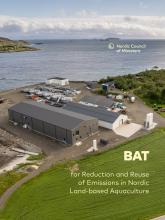
One advantage of land-based aquaculture is that emissions can theoretically be contained and reused. However, the techniques for doing so keep evolving. If the Nordic aquaculture industry is to grow in an environmentally sustainable manner, information is needed on the best available techniques.
The Nordic Council of Ministers therefore requested a report on the best available techniques for reducing and reusing emissions from land-based aquaculture. This report explores the state of play of Nordic aquaculture and takes stock of emerging and established techniques for reducing emissions and managing waste, with a focus on the circular economy. Improving waste management might improve the viability of land-based aquaculture, supporting the sustainable growth of this sector.
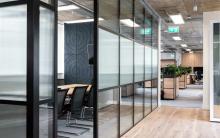
This workshop, organised by GENIE, will explore a very practical case study of materials reuse. There will be a guided tour of a building where offices are going to be converted into housing as part of a project by the real estate group SPS, the architects' office FdMP and the Matériuum association.
The workshop will see how reuse in the construction sector is coming along in the French-speaking part of Switzerland and explore the impact and technical and economic feasibility.