This workshop used the concrete example of procurement of charging stations for electrical vehicles to link circular procurement to the energy transition.
The Cities & Regions Leadership Group in 2021 continued the work on the analysis of indicators to measure the transition to the circular economy in cities and regions.
This workshop capitalized on those discussion points, gearing the discussions towards the definition of operational cooperation leads between different initiatives supporting CE transition in cities and regions.
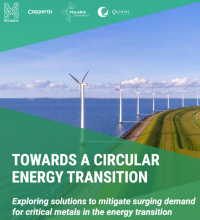
Concern continues to grow regarding the availability of critical metals. Such rare or scarce metals, like lithium or cobalt, are not only vital to the world’s major economies. They are also crucial for a transition to a renewable energy system in the Netherlands. At current levels, the global supply of these metals is insufficient, and the Dutch demand for them is no exception.
This study Towards A Circular Energy Transition serves to provide insight into the demand for critical metals domestically over the next few decades, to offer perspectives on how to reduce this demand, and to demonstrate the opportunities these new measures present to industry in the Netherlands.
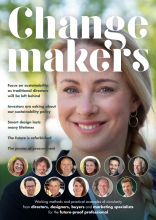
ChangeMakers is a magazine published by Circularities together with Circl/ABN Amro Bank. Readers can learn about working methods and practical examples of circularity from directors, designers, buyers and marketing specialists from companies like Philips, Bugaboo, Fairphone and Mitsubishi.
The magazine aims to inspire future-proof professionals with a wealth of interviews from people who really know what they're talking about and feel passionate about the circular transition. Each section tackles the circular economy from a different perspective: for instance, directors speak about how they need to steer their companies and designers talk about the principles underpinning their work.
If you're interested in circular issues, this magazine is well worth the read!
Madeira Circular brings together key actors for the transition to the circular economy in the Autonomous Region of Madeira. This includes civil society, businesses, public administrations and the scientific and academic communities.
It looks at regulations and financing and explores sectors relevant to Madeira which can be shifted to a more circular approach, such as tourism, production of local products and civil engineering.
The platform looks at recycling and how to combat food waste and provides recommendations in the fields of water, waste and energy.
The initiative called Microplastics pollution – measures to reduce its impact on the environment aims to tackle microplastics unintentionally released into the environment. It will focus on labelling, standardisation, certification and regulatory measures for the main sources of these plastics.
The European Commission would like to hear your views on microplastics pollution. Give your feedback!