The ECCA has been set up by the European Composites Industry Association (EuCIA) which represents European national composites associations and industry-specific sector groups at EU level.
It was launched in 2025 to establish a circular economy for composites in Europe. It provides a platform for knowledge sharing and cooperation, driving collective action to establish truly circular, sustainable value chains for composite materials. It will set and achieve targets on the use of recovered and recycled composites, develop standards for circular product design and provide a forum for the industry.
Stakeholders across the composites value chain can join the ECCA by signing the declaration. They can then join one of the five working groups, from aerospace to construction to policy/regulation.
This workshop will bring together six EU-funded projects representing an ecosystem of 80 organisations driving innovation towards catalyst circularity and greener production in the EU.
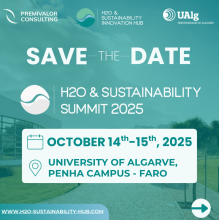
This is an international event bringing together leading experts, companies, startups, universities, research centres and institutions to promote dialogue, foster collaboration and accelerate innovation in key areas including the circular economy. It will include a high-level conference with renowned speakers addressing emerging challenges and solutions at the intersection of sustainability and technology.
SustainableSolutionsMatch is the first cross-sectoral virtual event empowering European businesses on their path to a sustainable and circular economy. It brings solution seekers and providers together to tackle real challenges and find practical answers.
Whether you're looking for innovative ideas or reliable partners, this event brings solution seekers and providers together to tackle real challenges and find practical answers.
The InvestCEC project is pioneering a replicable model driving the implementation of circular economy projects across European cities and regions.
Entrepreneurs and SMEs from across Europe are now invited to submit proposals for business cases that promote circular economy solutions, either in the city of Klagenfurt or in other European cities.
The FOREST project (Advanced lightweight materials FOr eneRgy Efficient StrucTures) aims to provide new and innovative green composites for sustainable and safe transport applications.
They are setting up an Advisory Policy Framework Working Group and looking for experts. Interested?
RE-PLAN CITY LIFE (RElevant Audience Plan Leading to Awareness Network for CIrcular Economy Use of Recycled TYre materials in CITY LIFE) is a LIFE project raising awareness about the use of recycled tyre materials.
They are organising a live workshop with an on-site visit on the use of recycled materials in public works. The workshop will describe the tools put in place by the project to stimulate stronger engagement from public authorities to adopt best practices and green procurement.
SUSTAINair was an H2020-funded project developing circular economy principles for the aviation and aerospace design, manufacturing, operations and end-of-life phases.
It's a five-day event dedicated to the circular economy and sustainable development, with a rich programme of sessions and the main event: European Sustainability Congress 2024. Some sessions are hybrid or online.
The Circular Valley® Forum 2024 will bring together more than 1 400 people from industry, business, politics, science and civil society.
They will evaluate the progress made in the transition to a circular economy, talk about solutions to current challenges and learn about new business ideas. As well as debate during the conference and over dinner, there will also be opportunities for bilateral talks.