This Circular Economy Policy Research Center publication aims to define clear model clauses for PaaS contracts, which reflect the expectations and intentions of the parties involved. The clauses cover all aspects of a contractual relationship, such as definitions, clauses substantiating the parties’ obligations and its termination.
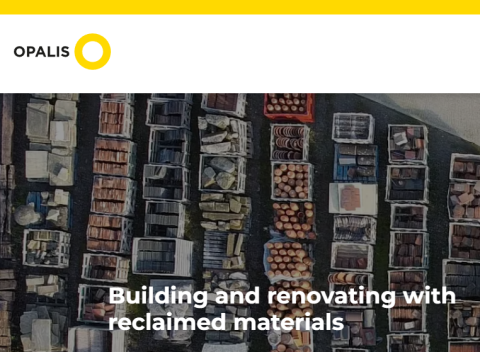
An overview of professional retailers who sell recovered building materials. These operators often offer other services as well, such as dismantling and cleaning, tailor-made components and specialised advice.
Technical documentation on the most common construction products on the reuse market.
Recent projects in which reuse materials have been applied successfully and inspiringly.
Useful documents and links for visitors who want to gather additional infomation.
From its base in the northern Netherlands, JC-Electronics supplies new, refurbished and repaired industrial electronics. By giving used and defective devices a second life, the company contributes to the circular economy and helps customers reduce their carbon footprint.
Businesses need financing, and banks need to know whether a given company is a good risk. The Risk project group (part of De Nederlandsche Bank's Circular Economy Working Group and consisting of experts from Rabobank, ABN AMRO, ING, Triodos and Invest-NL) set out to create a scorecard which would enable financial institutions to establish whether a specifically circular business is a good bet.
The online national Register of Electronic Equipment Repairers (Nationaal Reparateursregister) has been launched in the Netherlands. It enables consumers and (retail) professionals to find professional and skilled independent repairers and refurbishers of electronic equipment who work nearby.
The Dutch circular procurement platform Versnellingsnetwerk Circular Inkopenhas gone global with the English version of its website.
Aiming for a sustainable future, it shares Dutch good practices on circular procurement. Tailored to global stakeholders, the platform offers a step-by-step guide, role-specific advice and product-specific insights, emphasising supplier involvement.
Developed through multistakeholder collaboration and supported by the Ministry of Infrastructure and Water Management, it is a vital resource for a circular economy.
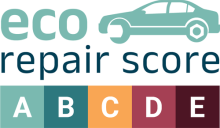
Eco Repair Score NV and VITO have developed the Eco Repair Score® to assess the environmental impact of a specific car repair job. It does this using a single score, with categories from A to E and associated colour coding.
65% of electrical and electronic appliances put on the market must be collected after use when it turns into Waste Electrical and Electronic Equipment (WEEE). One key step in achieving that 65% is to map e-waste streams, reliably and at every stage. The BeWeee tool is designed to help companies in Belgium do so.
Blue Plastics technology, called CleanBlueTech, is a pioneering, solvent-based, closed-loop washing technology that removes smell, glue, print-ink and organic residues from any plastic flexible film waste.
CleanBlueTech is a game changer as it uses 70% less energy and 100% less water than existing technologies.