The fashion industry has a big influence on the global economy and is known for its social and environmental impact. This online course by Wageningen University & Research is an introduction to circular fashion, brought by 30 experts from academia and practice.
After this course, you will be able to:
Understand the role of sustainability and circularity in fashion
Understand the importance of design for disassembly and recycling
Evaluate new biobased materials for textiles and understand the change in production processes
Disrupt current thinking and mindset in the industry and manage the transition to circular fashion
Understand economic paradigms and new forms of value creation for circularity in the fashion industry
How can we best equip people to transform the fashion industry from the inside out? (Re)education is one promising avenue – and there is a lot to learn!
Applications to the European Social Innovation Competition 2020 are now open! Under the theme Reimagine Fashion: Changing behaviours for sustainable fashion, the 2020 competition is looking for projects and ideas that will change the ways we produce, buy, use and recycle fashion, moving towards increased global sustainability and changing consumer behaviour at local, national and European levels.
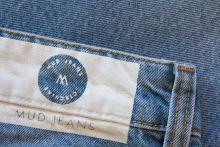
Customers from the MUD brand can lease or buy their jeans, benefit from a free repair service, and return the worn out items to have them recycled into new denim products - so that the iconic piece of clothing remains in use for the longuest time. This brand philosophy saves 78% water and 61% CO2-eq per jeans compared to industry standards.
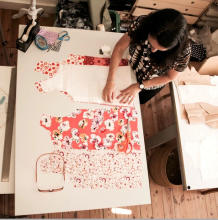
Rediscover Fashion is a social enterprise that produces 100 % redesigned and repurposed clothing, accessories, and home ware ranges from unwanted textiles, preventing the materials from being sent to landfill.
Estonian leather goods maker Stella Soomlais has come up with an innovative bag design that enables old or damaged leather bags to be turned into new leather goods, with little leftover material.
ISATIÓ was a Brussels SME that recovered samples from the textiles industry to create unique designer clothing, with manufacturing all done locally and the supply chain covered entirely by bicycle couriers.
The textile industry is the second most polluting industry in the world. The Next Closet’s mission is change this and inspire people to invest in quality and reuse what they already have, so second hand can become the number one choice.