PACCT for Sustainability is organising a two-day, in-person bootcamp designed to help professionals develop their profitable and sustainable Product-as-a-Service offers. Participants will gain insights, learn about tools and develop an action plan to start their circular business model journey.
The CIRC Hub is a free Erasmus+ platform that equips educators to teach circular economy skills to adults, especially those at risk of exclusion. It offers modular tools, hands-on learning and inclusive methods to foster entrepreneurship, job readiness and sustainability in the circular economy sector.
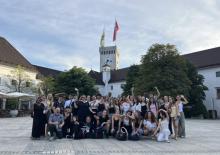
For the fourth year in a row, Ljubljana welcomed students from across Europe to co-create circular solutions in the heart of Slovenia. From 30 June to 4 July, 40 students took part in the Ecotopia Summer School, a programme which focuses on the circular economy through hands-on learning, collaboration and real-world application.
The Urban Circular Bioeconomy Hub is operated by the HOOP project. It provides resources and tools to improve the exploitation of biowaste and wastewater by cities and regions.
Users can:
network with municipalities and waste/wastewater management companies around Europe.
evaluate their circular performance and the financial attractiveness and maturity level of your circular projects.
make use of resources related to the implementation of urban circular bioeconomy solutions, including handbooks, manuals, factsheets and videos on technologies and financial engineering for circular bioeconomy projects.
get technical support from project developers and investors and mobilise green financing.
register for the forum and put questions to the circular bioeconomy community.
Circular Summit Fryslân 2025 will highlight the power of regions in shaping a circular future.
With keynote speeches, hands-on working sessions and inspiring field trips, this event will bring together circular changemakers with a view to fostering international cooperation.
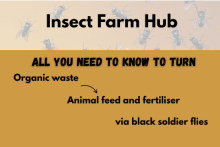
Insect farming is becoming more common, with plenty of people trying their hand at it. Like any other type of farming, however, it takes knowledge – and that is where Insect Farm Hub comes in. It aims to share knowledge about black soldier fly farming.
Join the Global Green Action Day initiative tackling plastic pollution through collaboration, innovation and action.
Held in support of UN World Environment Day on 5 June, this initiative has a twist: because this is a complex challenge, you can only participate if you have completed the online training, which includes lessons, expert panels, guest talks and webinars.
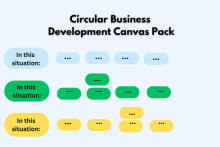
The Circular Business Development Canvas Pack is a set of tools designed to help businesses transition to circular economy models. It integrates key sustainability principles into business development, offering structured frameworks to map out circular strategies, value chains and impact.
CircuLaw is an open-source knowledge platform that helps policymakers, project leaders and purchasers effectively utilise existing laws and regulations to accelerate the transition to a circular economy.