The Dutch company KarTent has come up with a sustainable solution for the many tents left behind by music festival goers: a cardboard tent, designed to be purchased and transported in bulk to festival sites. After the festival, the company arranges for the tents to be removed and recycled.
Mamukko is an Irish company, founded in 2011, that uses waste nautical materials as a secondary raw material. They promote upcycling by using end-of-life sails, decommissioned life rafts and recycled leather to make bags.
Sopköket is a Swedish restaurant and catering company founded in 20215. It prepares meals which partly incorporate rescued and surplus food from supermarkets and other companies. Their goal is to reduce food waste.
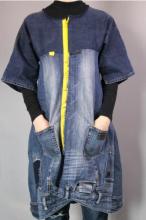
ZĪLE is a Latvian fashion brand which develops its clothing while looking at a sustainable future, through the concept of upcycling. The label’s main resource materials are denim trousers, men’s shirts and imagination.
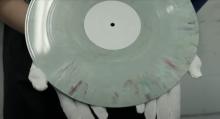
Music business can be circular, too! WMfono makes vinyl records from the waste that remains after cutting other records. Kayax label then packs the discs in recycled paper and employs a protection film made from maize.
Zona Urbana is a fashion company based in Sofia, Bulgaria. Since 2004, it designs and manufactures products with recycled materials, mainly bags or wallets.
This working paper, prepared by the ILO, looks at the future of work in textiles, clothing, leather and footwear (TCLF) industries.
It explores how technological advances, climate change, globalisation and changing demographics will shape these industries. It then analyses how these challenges and opportunities will impact decent work, and looks at the future of TCLF production in three categories of countries (least developed, middle income and high income). It concludes that at the present rate, the TCLF industries will not move to a circular economy approach for years.
REC.ON creates its production by recovering auto parts. Using a unique upcycling process, they transform used, unwanted parts of automobiles into new, high-quality, functional pieces of design, adding style and an industrial aesthetic to any interior. Moreover, they have a unique process of acquiring their materials.
Re-Match has a recycling process for synthetic turf, recovering up to 95% of the materials, which is accredited with the EU’s Environmental Technology Verification. Their patented technology separates the sand, backing, rubber and plastic fibre from used synthetic turf. These materials can then be sold or used in a wide variety of new products in different industries.