IMERO's e-label.eu platform transforms traditional product labelling into a sustainable digital alternative, significantly reducing resource use, waste and environmental impact. Through comprehensive digital product information, it enhances transparency, supports informed consumer decisions and promotes efficient recycling practices.
incommon is a non-profit organisation that encourages people to adopt the circular economy as a way of life. They use a bottom-up approach, working with individuals, schools, businesses, institutions, groups and local authorities.
Their approach ensures that people are informed about circular economy principles and engaged in implementing them, enabling them to make sustainable choices and drive local change.
The FOODY EU project promotes entrepreneurial skills and employment of young people, using circular economy principles to combat unemployment. It provides comprehensive information on the management and environmental impacts of food waste, using the food industry and waste management sector to instill in young people the value of resource conservation.
“Staramaki” is a straw made of wheat. It is produced by a social cooperative KoinSep in Kilkis, northern Greece. The most widely produced local product wheat is used to create a viable eco-friendly alternative to single use plastic straws. At the same time they create employment opportunities and promote social cohesion, as well as local and regional development.
The Danube Goes Circular is a platform set up under the Interreg MOVECO project which ran from December 2016 to August 2019. The platform aims to promote awareness of and engagement in the circular economy, and involves sixteen partners from the ten Danube countries.
There is a marketplace for reusable materials, designed to match up supply and demand for waste and reusable materials and products meet in order to foster eco-innovation in the Danube region.
The platform provides information on how to extend a product’s useful lifecycle as well as on legal requirements and corporate good practices linked to the promotion of the circular economy. The toolbox section includes fact sheets for SMEs.
Titan Greece - a cement and building material producer - plays an active role in the implementation of a circular economy model at various stages of the production process.
The Regional Association of Solid Waste Management Agencies of Central Macedonia and the Hellenic Ministry of the Environment and Energy present the pilot project "No more Christmas trees in landfills". The project recycles discarded trees, using the wood chips as a secondary raw material to make pellets, biofuels and chipboards, and as organic waste for composting.
The EduZWaCE platform is one of the intellectual outputs of the Education for Zero Waste and Circular Economy project, funded by the Greek National Agency under Erasmus+.
The platform is a virtual learning and collaboration environment for all interested stakeholders, using an interactive and collaborative online structure:
Knowledge Hub: interactive resource centre gathering useful information for Vocational Education and Training teachers and professionals
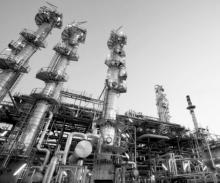
The overall objective of the project is the "smart" exploitation of Petroleum Refinery Sludges (PRS) produced by the Refinery of Motor Oil Hellas in Corinth (Greece).