The Polish Chamber of Digital Economy, an Ecommerce Europe member, has published a report on sustainability in e-commerce.
This report, titled Green Generation, shows that Polish consumers generally spot environmentally-unfriendly behaviours of retailers, but they do not quite want to take responsibility for making e-commerce less harmful to the environment; only one in five consumers is willing to wait longer for a shipment to be delivered through a grouped consignment.
As they already engage in some environmentally-friendly practices, such as collecting parcels from dedicated points, they do not seem willing to take up financial responsibility, such as paying extra charges for more ecological packaging or deliveries.
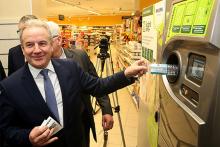
In February 2016, the government of Lithuania implemented a “deposit return system”, to give consumers an incentive to return used beverage containers for recycling. To combat litter and increase collection and recycling rates, consumers would pay a deposit amount of €0.10 when purchasing eligible drink containers, to be refunded when the empty container is returned for recycling.
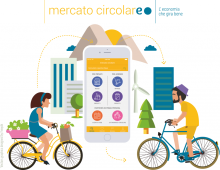
An app which enables users to buy circular goods and services near them or online and provides reliable information on what exactly the circular economy means.
Flustix is a certification body for plastic-free and partially plastic-free products as well as goods made from recycled and recyclable plastics. By making plastic reduction clearly visible for customers, the certification provides guidance and the opportunity to make a plastic-aware buying decision.
Kierrätyskeskus is a network of secondhand shops in the Helsinki area. As well as selling on donated items, they repair electrical goods and offer training sessions on the circular economy.
SuperDrecksKëscht® promotes the creation of an environmentally friendly society that protects its energy and resources, as part of the Luxembourg waste management strategy.
Ecotrel collects and processes waste electrical and electronic equipment (WEEE) across Luxembourg. End-of-life devices are reused or recycled, thereby complying with businesses' CSR requirements and upholding circular economy principles.
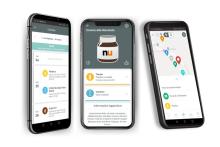
The Junker app recognises products with a single click on their barcode, and provides people with all the information they need to recycle their components correctly and quickly. It makes waste disposal easy!
Volpy was an all-in-one ethical and environmental innovation on the smartphone market: customers could have their smartphones valued, return them and exchange with others directly through an app.