FIXNOW is a smartphone repair company based in Belgium. Where technically feasible, they can replace the glass on the display rather than the entire display module.
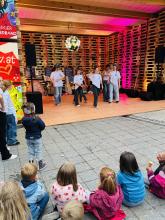
Vorarlberg's annual Environmental Festival is designed to produce as little waste as possible, to promote reuse and generally to familiarise people with the concepts of the circular economy without preaching about it.
People come for the festival experience but leave having learned why it's a good thing to donate what you don't need and not to produce extravagant amounts of waste!
VA TechTrade buys back used laptops, tablets, phones and computers, refurbishes and quality-tests them to a verified working standard, and resells them with a warranty to customers across the EU.
DPPSkop is a comprehensive B2B SaaS platform developed to meet the Digital Product Passport (DPP) requirements mandated under the EU’s Ecodesign for Sustainable Products Regulation.
The platform enables manufacturers, particularly in high-impact sectors such as textiles, batteries and electronics, to digitise, manage and share the lifecycle data of their products.
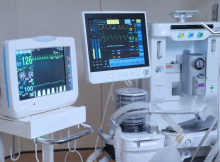
Green Pulse is a European service provider enabling the structured resale and reuse of decommissioned medical equipment from hospitals.
Through a transparent digital sales infrastructure and verified global buyer network, they ensure that equipment remains safely in clinical use worldwide.
Berlin's Zero Waste Agency aims to make Berlin a zero-waste capital. As well as providing useful information via its website, it organises Zero Waste Action Weeks each year and brings together stakeholders in working groups and general meetings.
Waste To Resources Latvia - boosting regional sustainability and circularity is a Lifeproject which provides a framework for coordinating, testing and scaling up circular economy solutions at national level, involving multiple partners and thematic implementation areas.
So far, it has launched national digital platforms for reuse and industrial symbiosis, improved data availability and decision-support tools for the waste management sector, and enhanced quality assurance of secondary materials through an accredited polymer testing laboratory.
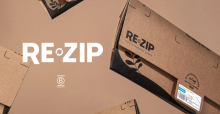
RE-ZIP is an innovative, circular packaging solution designed to reduce waste in e-commerce. It provides reusable packaging options that replace traditional single-use packaging, helping e-commerce businesses lower their environmental impact.
incommon is a non-profit organisation that encourages people to adopt the circular economy as a way of life. They use a bottom-up approach, working with individuals, schools, businesses, institutions, groups and local authorities.
Their approach ensures that people are informed about circular economy principles and engaged in implementing them, enabling them to make sustainable choices and drive local change.
Renewaball introduced the world’s first fully circular tennis and padel balls, designed with recycled materials sourced from used balls collected across European clubs.
This project embodies eco-friendly design by reusing rubber from old balls and using biodegradable wool felt to replace conventional polyester and nylon, which reduces microplastic pollution.