These factsheets outline circular economy opportunities to design out urban waste and pollution, ensure products and materials maintain their value, and regenerate the natural systems in our cities.
Easy-to-reference, the factsheets are a collation of research and case examples that answer some of the most prevalent questions around what circular economy can bring to cities:
Why is change in cities needed?
What circular economy opportunities address key urban system issues?
What can urban policymakers do to harness circular economy opportunities?
What are the potential economic, social, and environmental benefits of these opportunities?
These factsheets outline circular economy opportunities to design out urban waste and pollution, ensure products and materials maintain their value, and regenerate the natural systems in our cities.
Easy-to-reference, the factsheets are a collation of research and case examples that answer some of the most prevalent questions around what circular economy can bring to cities:
Why is change in cities needed?
What circular economy opportunities address key urban system issues?
What can urban policymakers do to harness circular economy opportunities?
What are the potential economic, social, and environmental benefits of these opportunities?
The Circular Prague report is a visual roadmap that identifies the strategies that are best positioned to kick-start the Czech capital’s transition towards a circular economy.
The report marks the culmination of Prague’s Circle City Scan; a 12-month collaborative innovation process involving local government, research organisations and businesses. The collaborative Circle City Scan process has highlighted the potential to promote circular lifestyles in ReUse Hubs using public procurement, to boost the construction through circular procurement, and to use the city’s food waste as biomethane to power the city’s waste collection fleet.
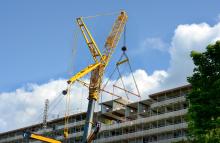
The Super Circular Estate project addresses the challenge of changing housing needs. The Parkstad Limburg region’s population, is estimated to shrink by 27% in the next 30 years, calling for a radical reorientation in housing facilities. The project aims at demolishing vacant outdated high-rise apartment buildings, and reuse their components to establish new social housing units.
Explore how city governments around the world are taking action to enable circular economy opportunities that deliver on a range of mayoral priorities, Sustainable Development Goals, and climate objectives. The EMF has launched Circular Economy in Cities with a global reference on the topic.
Vision: What will the implementation of circular economy principles in cities look like?
Factsheets: What benefits can a circular economy transition in key urban systems bring to cities?
Policy levers: What can urban policymakers do to accelerate this transition?
Case studies: What examples are there of urban policymakers already putting this into action?
Other networks & resources: What are other organisations doing on the topic of circular economy and cities?
The built environment, consuming almost half of the world's resources extracted every year and responsible for a massive environmental footprint, is a fundamental sector in the circular transition. The circular economy has great potential to help meet global sustainability targets and the Paris Agreement's goals in particular. Moving towards a circular built environment involves a shift in roles and business models for stakeholders active in this sector. However, barriers related to culture, regulations, market, technology and education are slowing down the transition. The private and public sector need to create a level playing field in order for circular materials, products and services to become the new normal in the built environment.
Cirkelstad is a national platform connecting private entrepreneurs and policy-makers who are delivering the transition to a circular economy in pioneering Dutch cities.
In addition to a comprehensive database of good practices, research and policy guidelines to inspire practitioners, the Cirkelstad Academie also provides occasional training sessions and advisory services to aspiring circular projects in Utrecht and Amsterdam.
Idea Plast is an Italian company which has specialised in the design of plastic components since 1987.
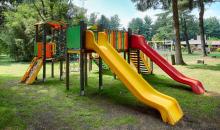
It designs and makes playground equipment from recycled plastic and advises companies and public authorities on how to make their processes more resource efficient by using waste as a resource.
After the 2014 elections, the new Roubaix municipality team wanted to change the image of its city and encourage a positive attitude towards both its inhabitants and France as a whole.
The roadmap aims at turning difficulties into advantages, generating a new dynamic. Based on theSustainable development strategy (since 2003), a zero waste policy is progressively implemented with a focus on cooperation and awareness raising among stakeholders.
The approach is global, even if some activities are implemented on a micro-scale (budget issue), mostly at the level of a city sub-district (Fresnoy-Mackellerie).
To enable the entire City of Roubaix to experience the transition to a zero waste economy, projects are open and accessible to all categories of population and businesses.